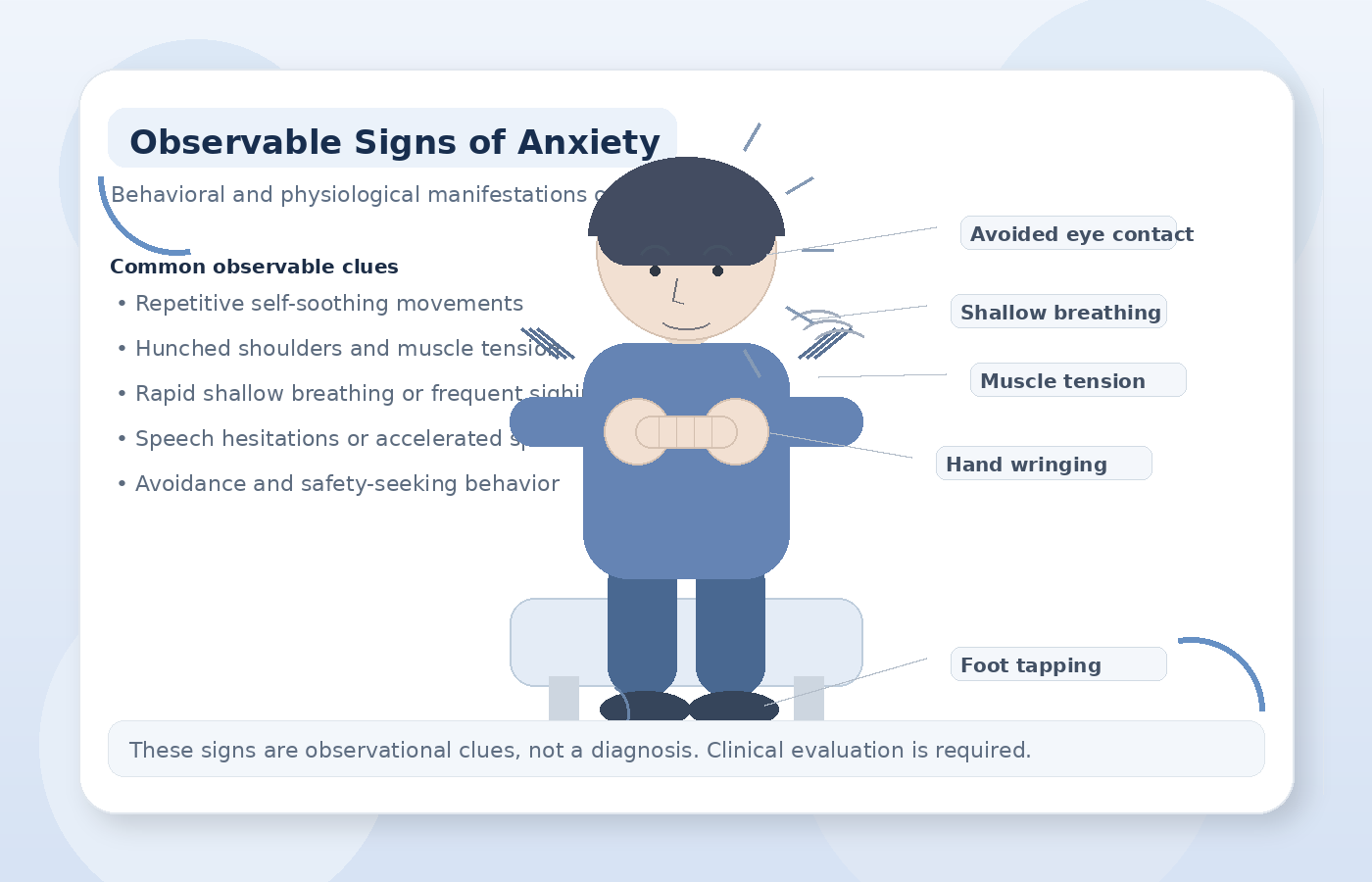
Anxiety is a natural and evolutionary response that the body shows during moments of danger or stress. However, when this state of worry appears without a clear threat or reaches an intensity that disrupts a person’s daily functioning, it can turn into a clinical condition. Managing anxiety is a multidimensional process that requires evidence-based strategies at both cognitive and physiological levels.
Cognitive Restructuring
The human mind tends to produce the worst-case scenario as a defense mechanism in situations of uncertainty. Cognitive psychology aims to recognize these distorted thought patterns and change them within a rational framework.
Keeping a Thought Record
Writing down the automatic thoughts that pass through the mind when anxiety levels rise allows a person to observe their own mental processes from the outside and in a concrete way.
Questioning the Evidence
Asking the question, “What concrete and objective evidence do I have that the outcome I fear will actually happen?” against catastrophic scenarios in the mind weakens irrational beliefs.
Developing Alternative Explanations
Instead of focusing only on the most negative possibility of a situation, considering other possible scenarios also provides mental flexibility.
Somatic and Physiological Regulation
Anxiety is not only a mental experience; it is also an intensely physical one. Symptoms such as palpitations, sweating, shortness of breath, or muscle tension arise from the overstimulation of the nervous system. Calming the body is one of the prerequisites for calming the mind.
Diaphragmatic Breathing
Slow and deep breaths taken by using the abdominal area instead of shallow and rapid chest breathing stimulate the vagus nerve. This action activates the “rest and digest” mode of the autonomic nervous system and slows down the stress response.
The Five Senses Grounding Technique
This is a focusing method that helps pull the mind away from worries about the future and bring it back to the “here and now.” It involves directing attention, in order, to 5 objects that can be seen, 4 surfaces that can be touched, 3 sounds that can be heard, 2 smells that can be noticed, and 1 taste that can be sensed.
Progressive Muscle Relaxation
Tensing the main muscle groups in the body for a few seconds one by one and then fully releasing them helps reduce the physical tension that accumulates in the body due to anxiety.
Lifestyle and Routine Modifications
The strong connection between physical health and mental health makes optimizing daily routines necessary in anxiety management.
Sleep Hygiene
A quality and sufficient sleep cycle that fits the circadian rhythm is a foundation for mood regulation and nervous system health.
Limiting Stimulants
High consumption of caffeine, theine, and nicotine can increase physiological arousal and directly imitate panic or anxiety symptoms.
Regular Physical Activity
Aerobic exercises added to a weekly routine support endorphin release while lowering the baseline levels of stress hormones such as cortisol and adrenaline.
Criteria for Professional Support
Professional intervention is necessary when individual coping strategies are not enough. If the state of anxiety has become persistent, disrupts sleep or eating patterns, or interferes with social, academic, or occupational functioning, a mental health professional should be consulted.
Structured psychotherapy processes such as Cognitive Behavioral Therapy, carried out with clinical psychologists and psychiatrists, and pharmacological support when necessary, are among the approaches with the highest clinical success rates in anxiety treatment.